 LAMP·Lab
IIT Bombay
LAMP·Lab
IIT Bombay
LAMP·Lab
IIT Bombay
LAMP·Lab
IIT Bombay
Research Overview
Multi-scale computational models of laser–material interaction predict material behaviour, optimise process parameters, and guide next-generation laser processing.


Ultrashort-pulse interactions enable unprecedented control over material modification at the nanoscale — non-linear processing, micro/nano-structuring, precision machining of transparent materials, and ultrafast laser-induced transformations.
Precision manufacturing at micro and nano scales for electronics, photonics, biomedical devices and sensors — including two-photon polymerization, laser-induced forward transfer, high-aspect-ratio microchannels, and micromachining of biocompatible materials.


Advanced surface modification and texturing to tailor functional properties — LIPSS for controlling wettability, texturing for tribology and reduced friction, super-hydrophobic/hydrophilic surfaces, and anti-bacterial textures for healthcare.
Methodologies and tools to enhance manufacturing efficiency, quality and reliability — machine-learning parameter optimization, in-situ monitoring and control, statistical process control, digital twins, and sensor fusion for process monitoring.
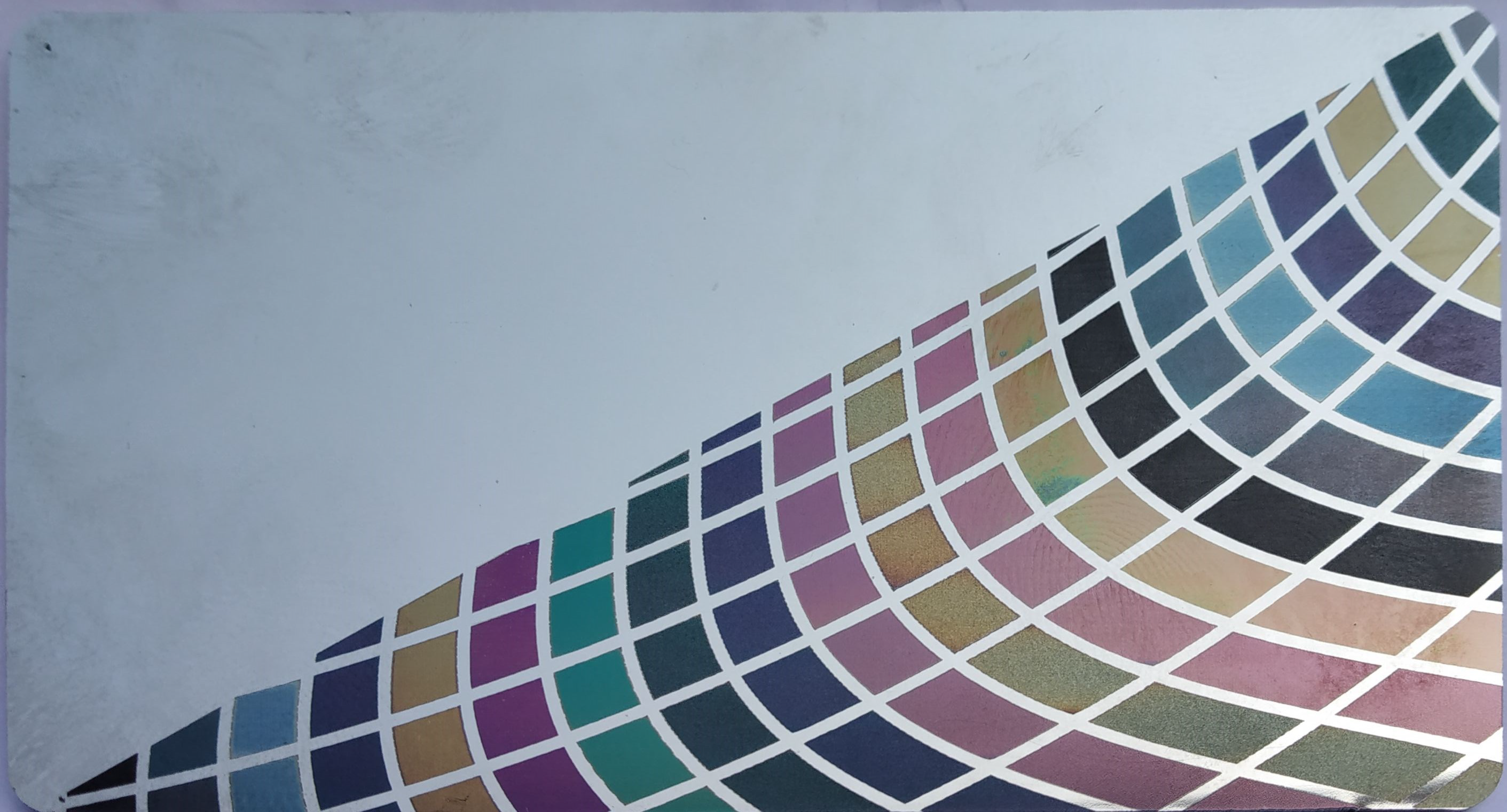
See sample results in our capabilities showcase.
Precise, high-strength bonding with minimal thermal damage using ultrashort pulses — ideal for advanced photonic and microfluidic device fabrication.
Predicting optimal process parameters for high-precision colour control on metal surfaces, reducing trial-and-error through data-driven models.
Laser surface texturing to create controlled micro-patterns that reduce friction and wear, combining computational modelling with fabrication.
Thermo-mechanical model predicting residual stresses and phase transformations to optimise build quality in metal additive manufacturing.
Copenhagen, Denmark — light–polymer interaction and volumetric additive manufacturing.
Leuven, Belgium — femtosecond laser processing of glass.
Melbourne, Australia — laser DED and laser-based atom probe tomography.
Bengaluru, India — femtosecond laser processing.
Hyderabad, India — micromachining of ceramics and superalloys.
Hyderabad, India — femtosecond laser processing.
Interested in collaborating? Get in touch →